
 Rivers don't plan their path—they follow the shape of the land, and a budget can work the same way.
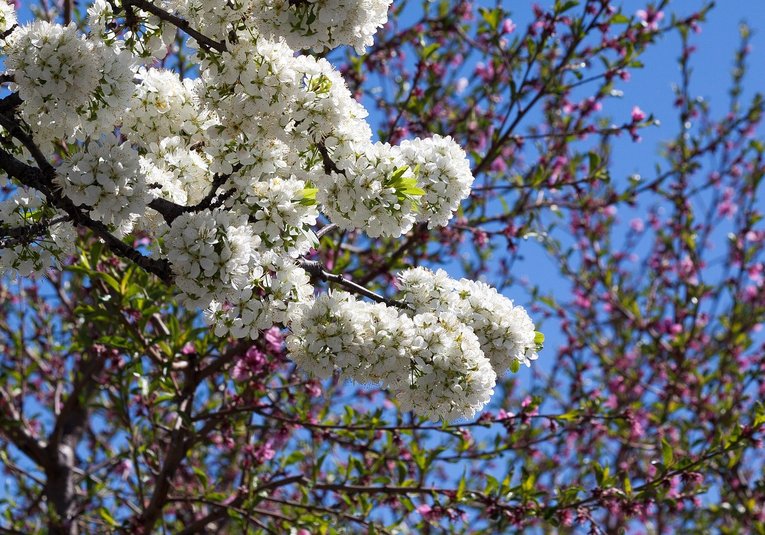
The Forest Floor Teaches Compound Interest
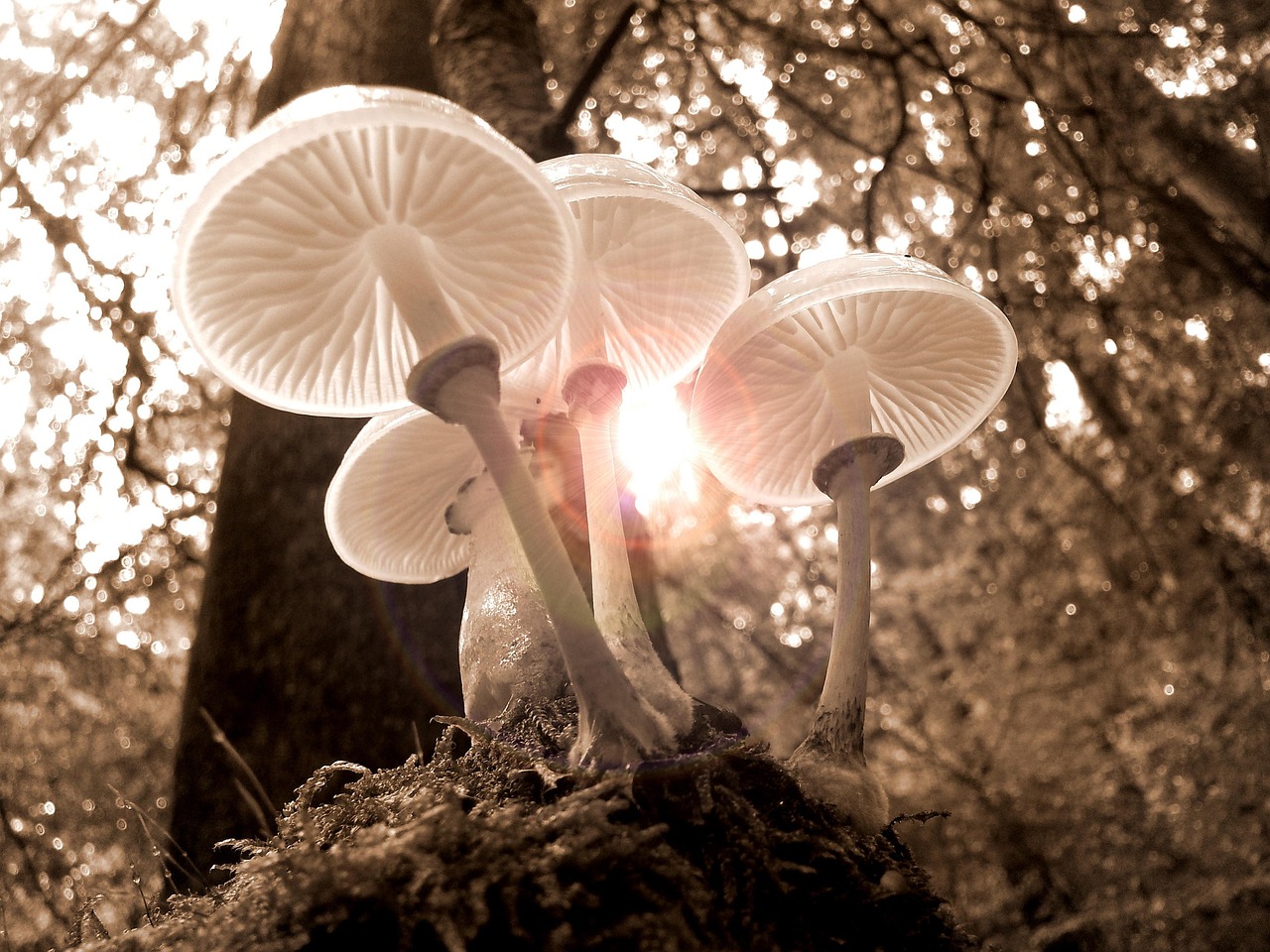
There's a redwood grove I walk in every October, and the ground there is a library. Every leaf that ever fell is still doing something—breaking down, feeding fungi, holding moisture, becoming soil that will feed the next hundred years of growth. Nothing is wasted. Nothing is fast. That's compound interest, and the forest has been running the experiment for 100 million years.
Most of us understand compound interest as a chart in a textbook. The forest understands it as a way of life. A leaf that falls this autumn won't become a tree next spring. It will become a slightly richer patch of dirt, which will feed a fern, which will shade a seedling, which might—if everything goes right—become a tree in forty years. Nobody stands over the leaf demanding to see results by Tuesday.
Time Is the Only Ingredient You Can't Buy Later
The reason compound interest rewards the young isn't that young people are smarter. It's that they have more autumns ahead of them. A dollar invested at 25 has forty growing seasons. The same dollar invested at 45 has twenty. The dollar doesn't change. The number of falls does.
This is the part that stings, and it's the part worth sitting with. If you started late, you can't buy back the autumns you missed. What you can do is stop missing the ones you have. Every month you wait is a leaf that never falls. The forest doesn't judge you for a late start—it just starts where you are, with the soil you have.
What the forest also knows is that the biggest growth happens underground, invisibly, for years before anything shows above the surface. Your retirement account in year three looks like nothing. In year fifteen it looks like a sapling. In year thirty it looks like a canopy. The chart is boring until it isn't.
Don't Rake the Floor
The worst thing you can do to a forest is rake it clean. Remove the fallen leaves and you remove the future soil. In investing, the equivalent is pulling your money out every time the market drops, or chasing the hot fund, or "cleaning up" your portfolio every time it looks messy. Mess is the mechanism. The decay is the point.
Set your contributions, choose a boring index fund or two, and then do the hardest thing in personal finance: nothing. Let the leaves fall. Let them rot. Let the fungi do their slow, unglamorous work. Check in once a year, not once a week. The forest doesn't need your attention. It needs your absence.
When I walk that grove in October, I don't see dead leaves. I see next century's trees, already in progress. Your investments look like that too, if you let them lie where they fall.