
 Somewhere between deprivation and excess is a place where enough actually feels like enough — and getting there is the whole game.
The Heron's Patience: Why Waiting Is a Financial Superpower
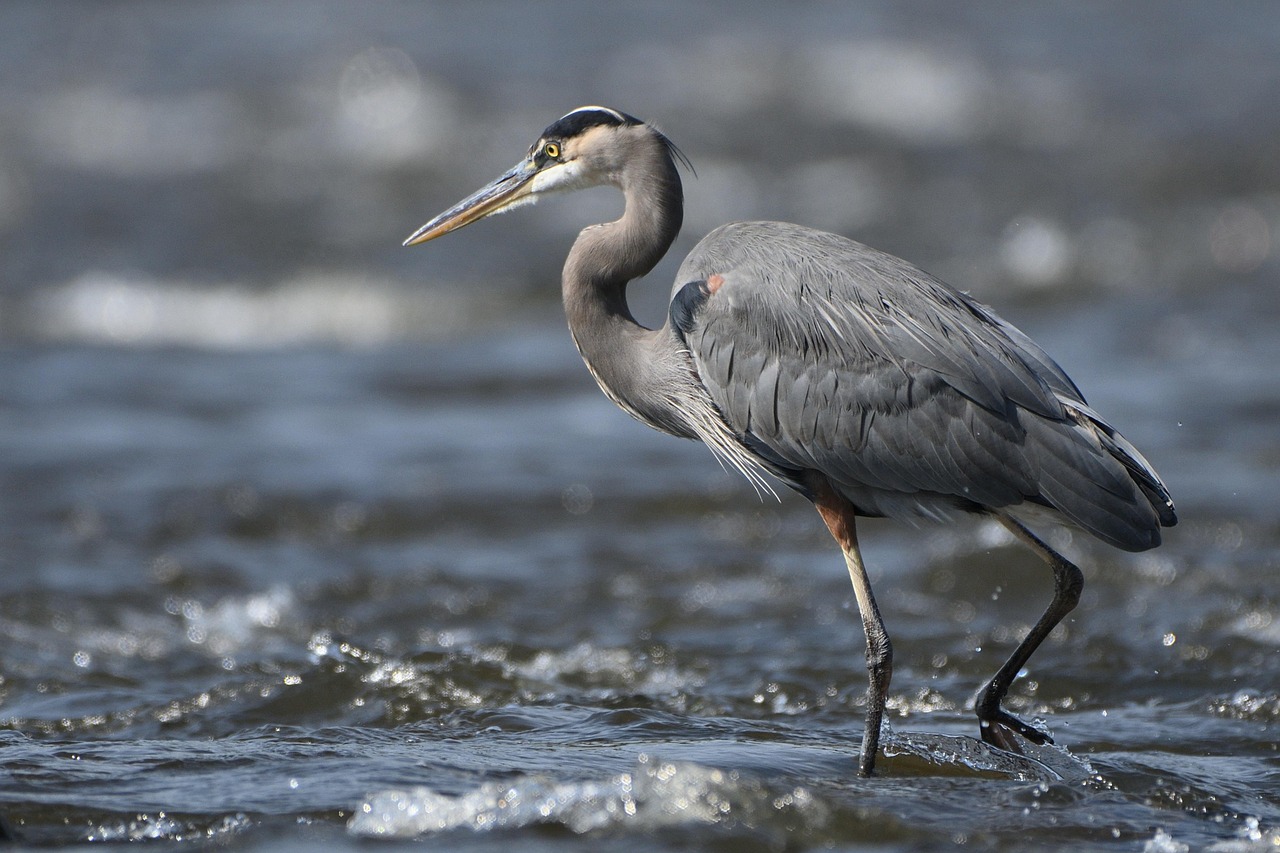
Watch a heron hunt sometime. It doesn't sprint after fish. It doesn't thrash the water hoping something jumps into its beak. It stands. It waits. It lets the minnows forget it's there. Then, when the moment is right, it moves once — and eats.
I started thinking about herons during a stretch when I was checking my investment account roughly four times a day. Every dip felt like an emergency. Every green day felt like a sign I should do something. I was, in financial terms, thrashing the water. The heron, by contrast, understands something most of us forget: in a lot of systems, the reward goes to whoever can stay still the longest without panicking.
Boredom Is Not a Bug, It's the Feature
Here's the uncomfortable truth about mindful money management: the correct action is frequently no action at all. Automate your savings, set your contributions, and then — this is the hard part — go live your life. The accounts don't need your supervision. They need your absence.
I'm not saying you should never look. I check in monthly, on a set day, with a cup of coffee and no urgency. What I stopped doing is treating every market wiggle as information I needed to act on. Most of it is noise dressed up as signal. The heron doesn't react to every ripple; it watches for the one that means food.
There's a practical version of this too. Before I buy anything non-essential over a certain amount, I wait a week. Not because I'm punishing myself, but because waiting separates wants from whims. About half the time, the want evaporates. The other half, it survives the wait and I buy it with zero guilt. Either way, I win.
Building Your Own Stillness
Patience isn't a personality trait you either have or don't. It's a set of conditions you can build. Delete the finance apps from your phone and check in from a laptop once a month. Put a 24-hour rule on any purchase that isn't a necessity. Set your savings to transfer automatically the day after payday, so saving requires zero willpower and spending requires a deliberate override.
The heron isn't disciplined because it's virtuous. It's patient because patience is how its environment rewards it. Your financial environment can work the same way — if you design it so that the default is stillness and the exception is action. Most people have it backwards. They make action the default and wonder why they're exhausted and broke.
Stand in the shallows. Let the water settle. The fish will come.