
 A healthy forest doesn't bet everything on one tree — and neither should your portfolio.

Diversification Is Just a Forest: Lessons from Old-Growth Ecosystems
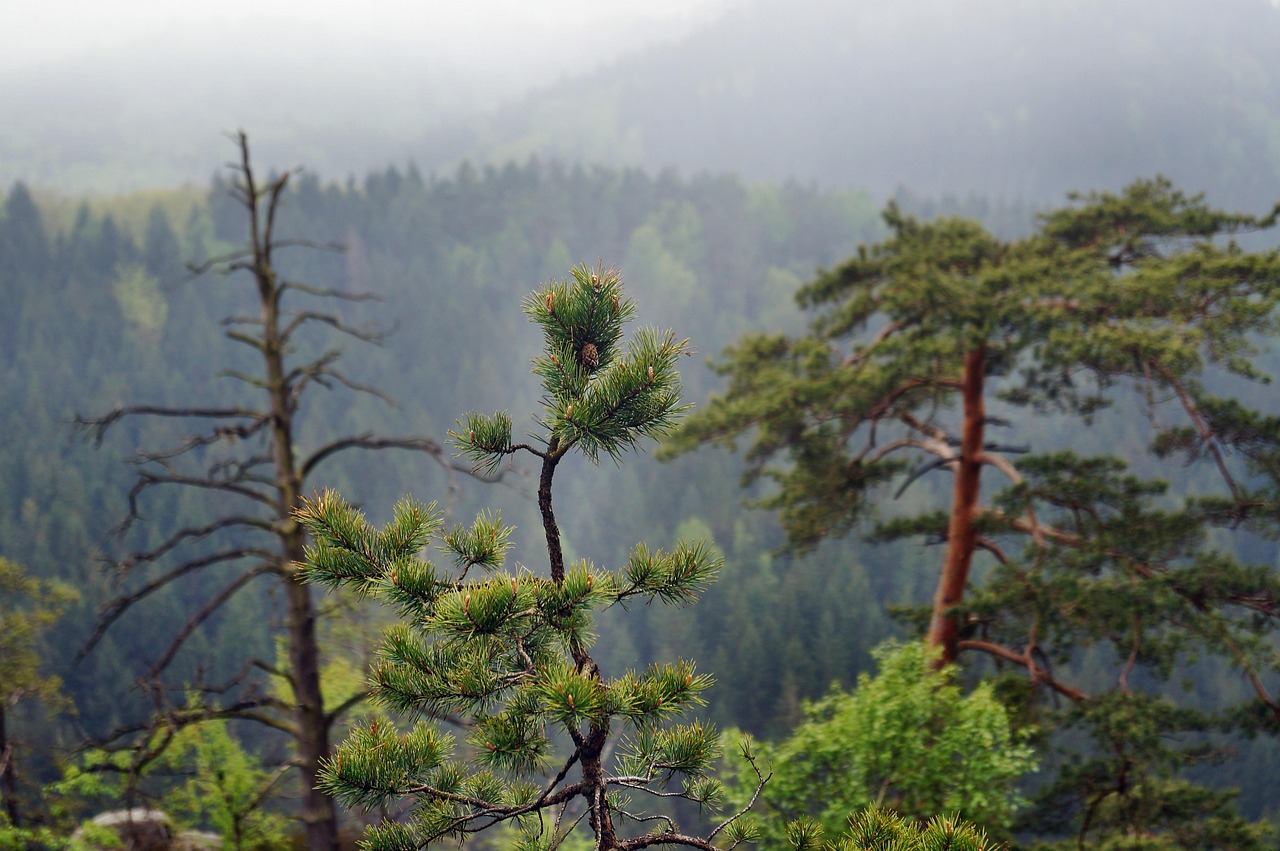
Walk into an old-growth forest and you'll notice something that a tree farm will never show you: mess. Fallen logs. Different species at different heights. A shrub layer, a canopy, a mycelium network underground doing work no one can see. It looks chaotic. It is, in fact, one of the most stable systems on earth.
A monoculture tree farm, by contrast, is elegant and orderly — and one beetle, one drought, one disease can take the whole thing down. That's the trade. Order buys you simplicity and sells you fragility.
I think about this every time someone tells me they've put everything into one stock, one sector, one crypto, one house. It's not that they're wrong about the thing they picked. It's that they've planted a tree farm and called it a forest.
What Real Diversification Looks Like
Diversification gets taught as a chore — spread your money around so you don't get wiped out. True, but it undersells the point. A forest isn't diverse because it's scared. It's diverse because diversity is what lets it keep growing through conditions no single species could survive alone.
In practice, this means a few unglamorous things. Own broad index funds rather than individual stocks you have to babysit. Hold some assets that zig when others zag — bonds alongside stocks, cash alongside both. If you own a home, recognize that it's already a massive, undiversified bet on one local market, and factor that into how you invest everything else.
It also means diversifying your income, which most people ignore entirely. A single employer is a monoculture. A skill you can sell on the side, a small rental, a consulting gig, even a modest side project — these are your shrub layer. They don't need to be big. They need to exist.
The Mycelium You Can't See
The most important part of a forest is underground. Mycelium connects trees, moves nutrients, sends warnings. In your financial life, the mycelium is your habits and systems — the automatic transfers, the emergency fund, the insurance you hope never to use, the relationships you maintain with people who might help you when things go wrong.
You can't see these on a spreadsheet. They don't show up in your net worth. But they're what keeps the whole thing standing when a storm comes through. A portfolio without an emergency fund is a forest without roots.
Plant more than one thing. Plant things you don't fully understand yet. Let the mess be the point. Old-growth takes decades, and it's worth every year.