
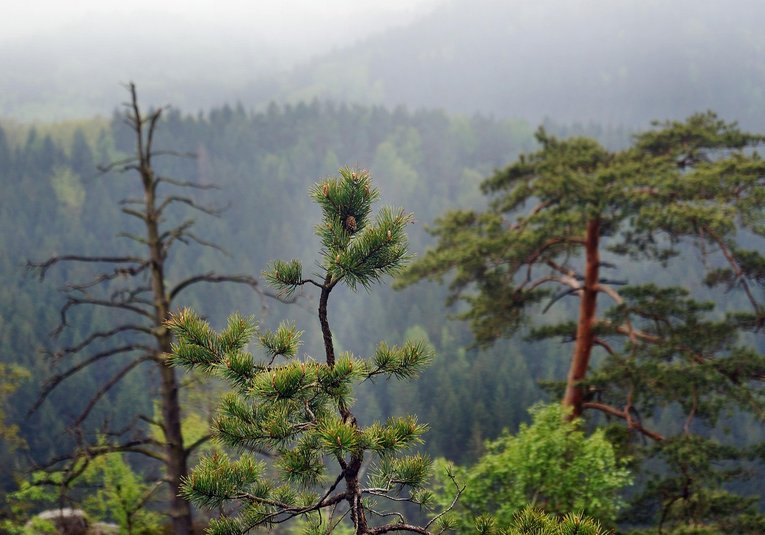
 A healthy forest doesn't bet everything on one tree — and neither should your portfolio.
What Geese Know About Debt That We Forget
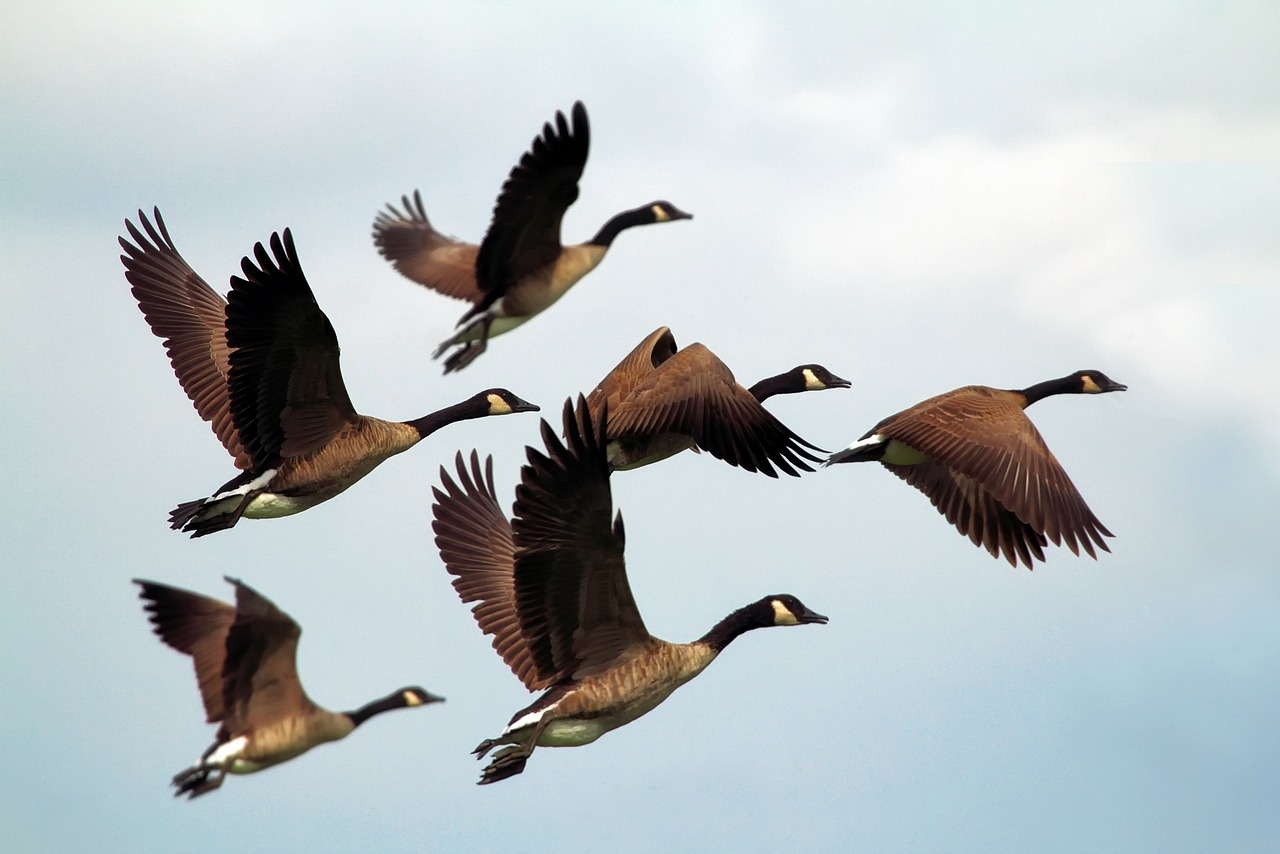
Every fall I watch Canada geese move south in their ragged V, and every fall I think about the same thing: nobody flies point forever. The lead bird breaks the wind, and when it tires, another slides forward. The flock doesn't pretend the front position is a moral achievement. It's just a job, and it rotates. That's a better metaphor for debt than anything I've read in a personal finance book.
Most people carry debt the way they'd carry a boulder up a hill alone—silently, resentfully, and with a vague sense that asking for help would somehow make it worse. But debt is a wind, not a boulder. It's something that pushes back on you, and like any wind, it can be shared. The geese figured this out millions of years ago. We're still learning it.
Rotate the Lead
When you're paying off debt, one account usually has the highest interest rate, and that's the one that should fly point. But "flying point" doesn't mean it gets all your energy forever. It means it gets the extra dollar until it's done, and then the next one moves forward. The snowball and avalanche methods are both versions of this rotation—the difference is just which bird leads first.
What matters more than the method is that you don't try to fly the whole formation yourself. If you have a partner, rotate who manages the spreadsheet. If you don't, rotate which category of spending you're scrutinizing this month. Debt payoff collapses when one person carries the whole V alone. It holds when the lead changes hands before anyone drops out of the sky.
There's also a quieter lesson in the V: the birds behind the leader aren't freeloading. They're drafting, using the turbulence the front bird creates to save energy. If a friend or family member offers to help—a meal, a ride, a place to stay for a few months—that's drafting. Taking it isn't weakness. It's how flocks cross continents.
Don't Fly in a Straight Line
Geese don't migrate in straight lines. They follow rivers, wait out storms, and land in fields that weren't on the original plan. Debt payoff works the same way. The month you planned to throw $500 at the card is the month the car needs brakes. That's not failure—that's weather. The flock lands, rests, and takes off again.
The people who get out of debt aren't the ones with the most willpower. They're the ones who expect the storm, land when they need to, and start flying again the next morning. They rotate the lead. They let themselves draft. They don't confuse a bad week with a failed migration.
Watch the geese this fall. Notice how the V never stays the same shape, and how it still gets where it's going. Your debt doesn't need to be heroic. It just needs to move south.