
 Migrating geese share the load and rotate the lead—a better model for debt than white-knuckling it alone.

The Tide Pools of Saving: Small Pools That Hold Big Life
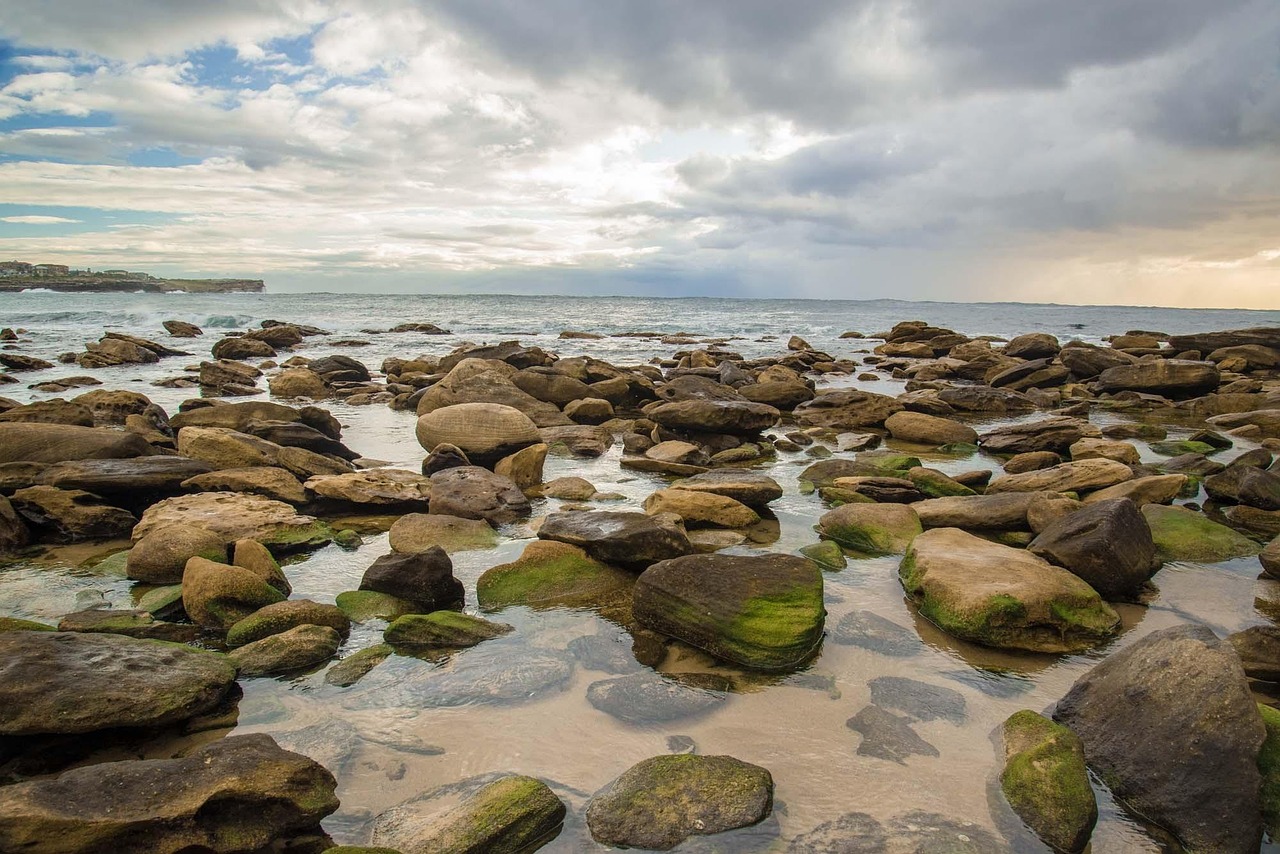
I spent a summer morning crouched over a tide pool on the Oregon coast, watching a hermit crab drag its borrowed shell across the ribbed sand. The pool was no bigger than a bathtub, but it held anemones, sculpins, and a tiny universe of patience. What struck me wasn't the abundance inside it—it was the boundary. The pool survived because it was a pool, not because it was the ocean. It had edges.
Most of us treat savings like an ocean: a vague, infinite thing we'll get to eventually. But savings that actually protects you looks more like a tide pool. It's small, defined, and built to hold life during the hours the water pulls back. That's what an emergency fund is—a tide pool for the dry hours. It doesn't need to be impressive. It needs to be yours, and it needs to be there when the tide goes out.
Give Your Savings Edges
A number in a checking account is not a tide pool. It's fog. The moment your savings shares a boundary with your spending, the boundary dissolves. The hermit crab doesn't wander into open water when it needs shelter—it retreats to a known, protected shape. You can do the same by giving each pool a name and a purpose: three months of bare-bones expenses in one account, a car repair fund in another, a "the roof finally gives up" fund in a third.
Naming matters more than most people admit. When money is just "savings," every impulse can claim it. When it's "the rent pool," it has edges, and edges are what make a pool a pool. You don't need a dozen accounts or an elaborate system. Two or three labeled pools will do. The point is that when the tide pulls out—a layoff, a transmission, a medical bill—you're not scrambling across open sand. You're stepping into water you already built.
Small Pools Fill Quietly
Tide pools don't fill in one dramatic wave. They fill every time the ocean breathes, a little at a time, over and over. That's the only honest way most people build savings: automatically, unglamorously, every payday. Twenty-five dollars a week is $1,300 a year. It won't feel like much in month one. By month twelve, it's a pool with a crab in it.
The trap is waiting for a big wave—a bonus, a windfall, a raise—to do the filling for you. Big waves are rare and they reshape the shoreline. Small tides come every day, and they're the ones that keep the pools alive. Set the transfer and then forget it exists. Let the pool do what pools do: hold quietly while the ocean does its work.
The hermit crab doesn't know it's vulnerable. It just knows where its shell is. Build your pools small, give them edges, and let them fill on their own. When the dry hours come—and they will—you'll find you were never as exposed as you feared.