
 A healthy forest doesn't bet everything on one tree — and neither should your portfolio.
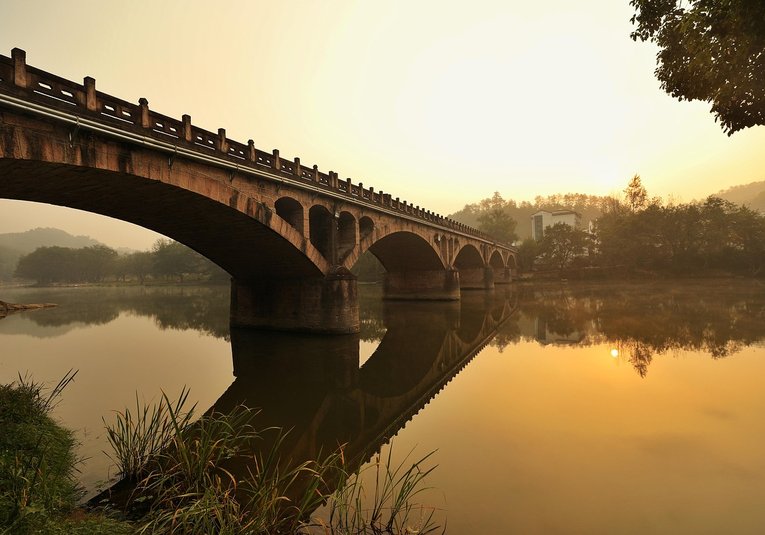
How a River Budgets Without a Spreadsheet

I sat by a river last spring and tried to figure out where it was going. It didn't know. It curved left, then right, pooled behind a fallen log, then slipped around it. It had no spreadsheet, no five-year plan, no emergency fund. It just followed the shape of the land, and it got to the sea anyway. I've been thinking about that river ever since, because my budget has never once felt that graceful.
Most budgets fail because they're designed like canals—straight lines carved against the terrain, held in place by concrete willpower. The moment the land shifts—a raise, a move, a kid, a recession—the canal cracks. A river budget is different. It's built around the shape of your actual life, and it changes course when the land does.
Follow the Terrain, Not the Template
The first thing a river does is obey gravity. It goes where the ground already slopes. A river budget does the same thing with your money: it follows where your spending already flows, instead of fighting it. If you eat out four nights a week because you're exhausted, that's terrain. You can try to dam it, or you can widen the channel and make peace with it—say, by building a realistic dining line instead of a fantasy one you'll blow through by the 12th.
This is why so many budgets die in week two. They're carved against the slope. The person who writes "$50 for groceries" when they actually spend $180 isn't disciplined—they're a river trying to flow uphill. The honest move is to write $180, then decide if you want to change the land over time. Not overnight. Over seasons.
Once you're honest about the terrain, you can start shaping it. Maybe you cook one more night a week and shift that $40 to a savings pool. That's not a dam—it's a gentle bend. Rivers change course all the time, and they don't feel like failures when they do.
Let the Budget Bend Without Breaking
Rivers flood. They meander. They cut new channels after a storm. A budget that can't bend will break, and a broken budget usually means a month of chaotic spending followed by guilt and a fresh start on the 1st. The river doesn't do fresh starts. It just keeps moving, adjusting to whatever the last storm left behind.
Give yourself a bend. A small buffer—$50 or $100 a month—that isn't assigned to anything. When the car needs a repair or a friend's birthday sneaks up, the river bends instead of flooding. You don't have to redo the whole plan. You just let the water find the lower ground.
The river reaches the sea without ever knowing the way. Your money can reach the end of the month the same way: by following the shape of your actual life, bending when the land bends, and trusting that moving water always finds its way down.